The Difficulties of Being Nila Madhab Panda
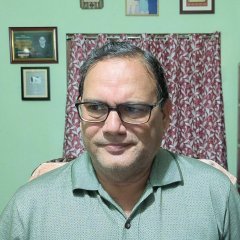 କେଦାର ମିଶ୍ର Kedar Mishra
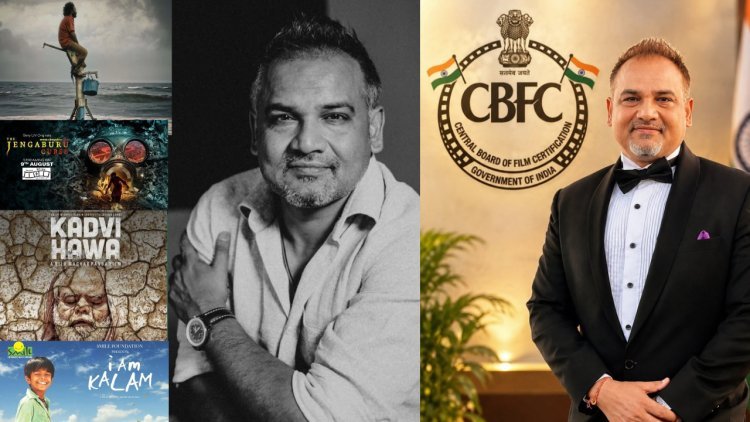
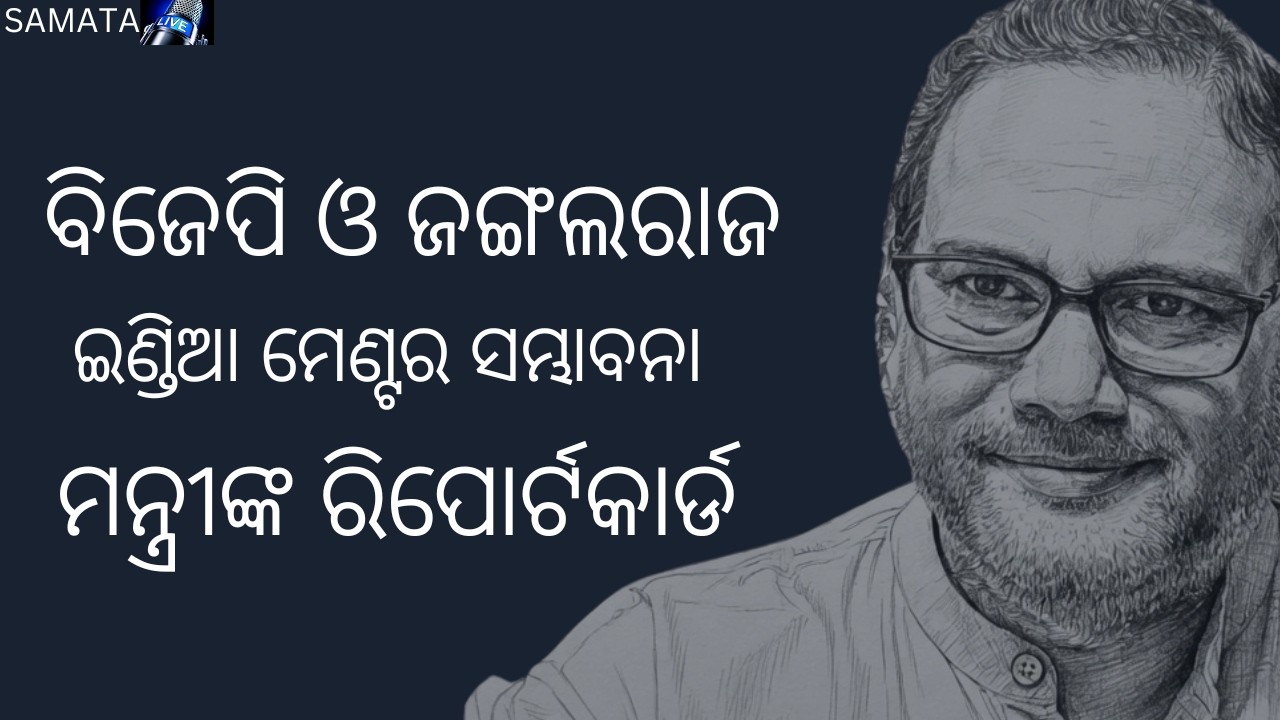
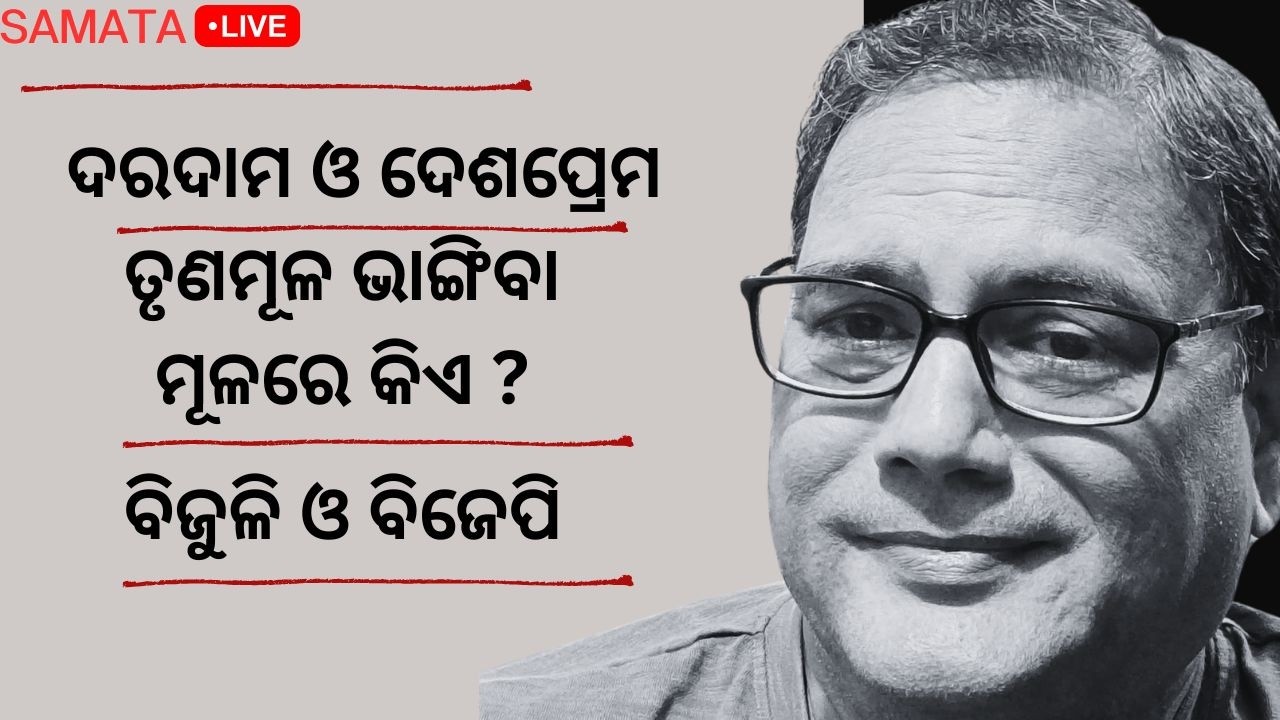
When veteran filmmaker Nila Madhab Panda’s name was announced as a member of the reconstituted Central Board of Film Certification, a familiar ritual followed. Before his films could be remembered, a section of Odia social media had already reduced him to a political label. The body of work was ignored; the party-line suspicion was not. That reflex — to identify a professional first by affiliation and only later, if at all, by craft — is one of the cheaper diseases of our time. Trolls suffer from it more than most. They should not be rewarded with attention. They should be ignored, and the work should be discussed instead.
It is more useful, and more honest, to look at how Panda was made: the long road from a small village in Sonepur to screens that travel far beyond Odisha. He was born in Dasharajpur in what is now Subarnapur district, the youngest of five siblings in a household that knew scarcity as daily weather. Schooling was incomplete buildings and long walks. Cinema was not a profession anyone around him could imagine. He left for Delhi after a failed graduation, found his way into documentary work on child labour, water, sanitation and development, assisted director Robin Romanov and producer Barbara Broccoli, and slowly built a practice that never quite abandoned the village it came from. The Padma Shri in 2016 did not invent that journey. It only certified what the films had already said.
Nila Madhab is best read through those films, and through the human struggle they refuse to decorate. I Am Kalam remains his most widely loved work: a child who works in a roadside eatery, who names himself after a president, and who turns aspiration into something more stubborn than slogan. The film won a National Award and dozens of international prizes not because it flattered an “emerging India,” but because it looked at that India from the kitchen, the highway, and the unpaid hour. Later films widened the same gaze. Jalpari: The Desert Mermaid carried a child’s story into water and gender. Halkaa made sanitation into music without making poverty cute. Kaun Kitne Paani Mein treated scarcity as politics, not backdrop.
Then came the climate work, which asked for a different kind of nerve. Kadvi Hawa put drought and debt on the same ledger and became one of the first Indian features to treat climate change as lived weather rather than a seminar topic. Kalira Atita, his Odia film, followed a man whose village had been taken by the sea and who continued to live in yesterday because the present had no address left. These are not fashionable subjects. They require the courage to tell a bitter truth to the power of the day — and to audiences who would rather look away. His SonyLIV series The Jengaburu Curse, set in a mining landscape of Odisha, pushed that truth into thriller form: displacement, polluted rivers, indigenous life treated as obstacle, greed dressed as development. For that, some will always be ready to file him under the convenient insult of “dimagi Naxal.” The insult says more about the accuser than about the filmmaker. A story about mines, tribes and poisoned water is not sedition. It is reportage with a camera.
Panda is an artiste and a professional of a high order. His cinema is transnational in reach and local in conscience. It carries Odishan memory — oral storytelling, the Mahanadi’s stubborn flow, the coast’s disappearing villages — into Hindi, English and streaming rooms without turning the state into a souvenir. He is not a parochial parasite to be dragged through YouTube rants or a Facebook wall. Online intimidation cannot touch the scale of what he has already put on record: the labouring child, the farmer in a dying wind, the man waiting for a village the sea has eaten, the mountain that is also a mine.
He is one of the more serious tellers of human suffering and struggle in our time. He deserves more than the smallness with which a few of his own people greeted a national appointment. The appointment will pass, as boards do. The films will remain the real certificate.