Rivers Meet: A Night of Jugalbandi and Abhinaya at the Guru Kelucharan Mohapatra Award Festival
 କେଦାର ମିଶ୍ର Kedar Mishra
A musical jugalbandi in Indian classical music is like the confluence of two rivers. They arrive with different currents, different tempers, different ways of moving through the landscape. Once they meet, the distinction does not vanish so much as it is absorbed. Together they travel toward the ocean — toward that last, shared stillness of rasa, of bliss.
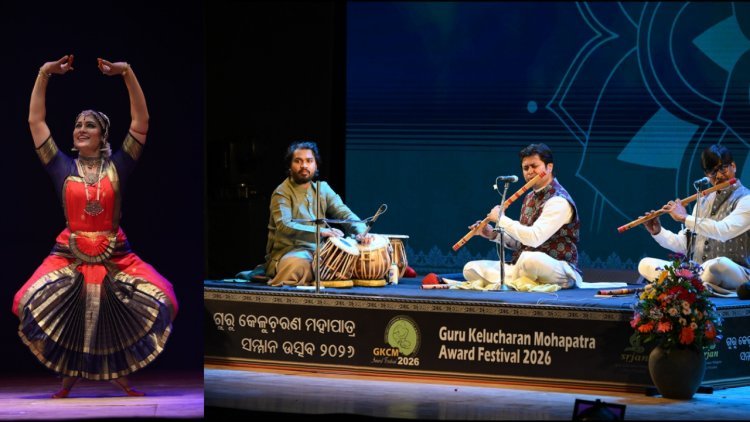
The fourth evening of the 32nd Guru Kelucharan Mohapatra Award Festival at Rabindra Mandap, Bhubaneswar, was built around that idea of confluence. Organised by Srjan in the birth-centenary year of Guru Kelucharan Mohapatra, the programme on 8 September 2026 placed Bharatanatyam and a Hindustani flute duet on the same stage, asking two classical languages to speak in one hall.
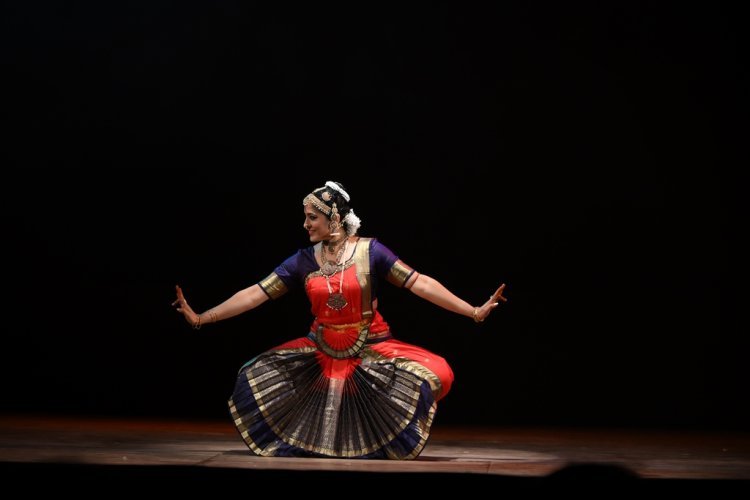
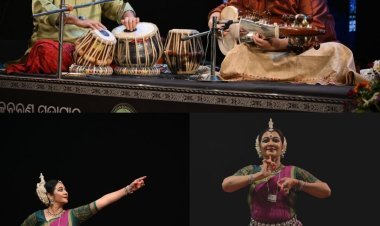
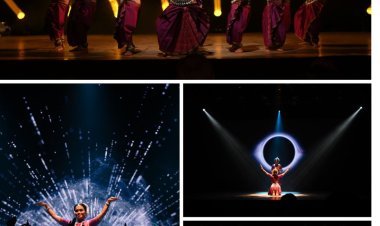
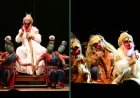
The evening opened with elegance. Acclaimed Bharatanatyam exponent Dr. Janaki Rangarajan presented Maharaja Swati Tirunal’s famous and unusually expansive pada varnam in raga Yadukulakambhoji, set to Adi tala. The nayika is a viraha-utkanthita heroine, waiting and aching for Lord Padmanabha. Rangarajan’s abhinaya insisted on a useful distinction: artistry is not the same as artificiality. In a long pada varnam, the danger is always repetition — the same glance, the same turn of the wrist, the same image of longing recycled until it thins.
She was supported by a well-balanced Carnatic ensemble: Smt. Shilpa Gopalakrishnan on vocals, Smt. T.V. Sukanya on violin, Shri K. Sarvesh on mridangam, and Shri S. Vijay Kumar on nattuvangam. Debiprasad Mishra’s lighting was not ornamental afterthought; it framed the nayika’s solitude without swallowing the dance.
Then came the night’s other river — or rather, two rivers meeting.
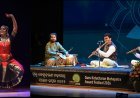
For two young Odia flautists, Abhiram Nanda and Srinibas Satapathy, the assignment was already an ordeal before a note was played. To perform in the presence of Pandit Hariprasad Chaurasia — the living measure of the Indian bansuri — is to feel the air change. Chaurasia’s aura is not a slogan; it is a physical fact in a concert hall. The first phunk carried a trace of that nervousness. Then raga Madhuvanti began to unfold, and both artists opened like petals after rain.
The architecture was classical and sure: a composed alaap, jod and jhala, followed by a bandish that moved between Teentaal and Roopak with real conversational intelligence. What made the recital live was not sameness but contrast held in balance. Abhiram was the more aggressive current — energetic, technically assertive, willing to press the phrase. Srinibas was the quieter one: contained, lyrical, mellifluous, more interested in the line than in the flourish. Together they wove a tapestry that caught the late-afternoon, honeyed melancholy of Madhuvanti without flattening it into prettiness.
They closed with a dhun in Mishra Pahadi, sweet without becoming sentimental. It was the right last word: after the raga’s architecture, a folk-tinged release.
Adding still more energy and grace to Raag Madhuvanti and the Mishra Pahadi dhun, the jugalbandi found a third, equally vital current in the tabla of young prodigy Shri Yashwant Vaishnav. He matched the flautists’ intricate melodic lines with crisp rhythmic vitality, never crowding the bansuri and never falling behind it. Where Abhiram pressed forward and Srinibas lingered on the phrase, Vaishnav gave the dialogue its pulse — taut, responsive, and alive.
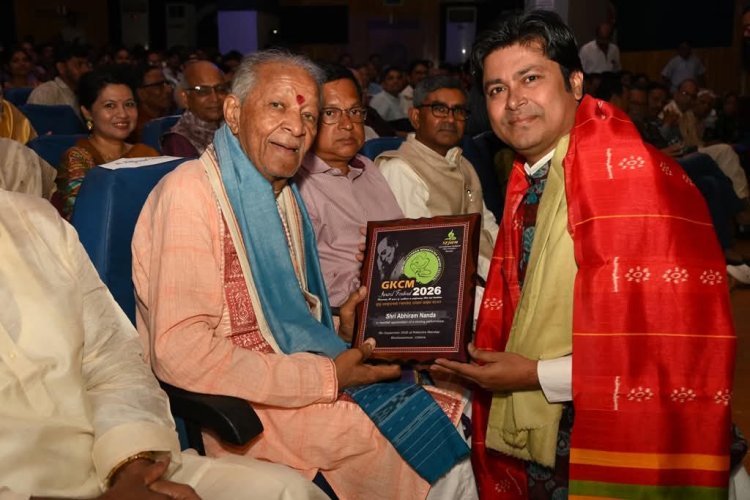
The duo left the evening with a sense of promise rather than mere competence. Odisha has long given Indian classical music accompanists of rare sensitivity; nights like this suggest that Odia flautists are also claiming the centre of the stage, and doing so with two distinct temperaments rather than one borrowed style.
If the metaphor of rivers holds, this was a good confluence. The dance arrived first, with waiting and devotion. The flutes arrived next, with two different breaths becoming one current. The ocean, as always, remained just beyond the last note — the place where technique ends and Ananda begins.