Shubha Mudgal: A Pacific Voice of Nuanced Grace
 କେଦାର ମିଶ୍ର Kedar Mishra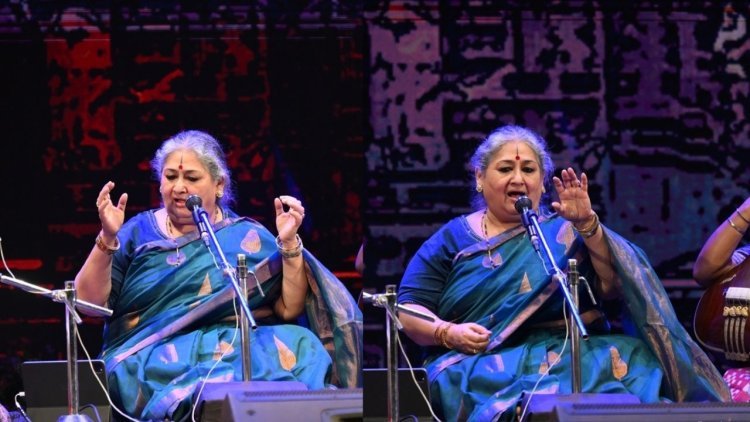
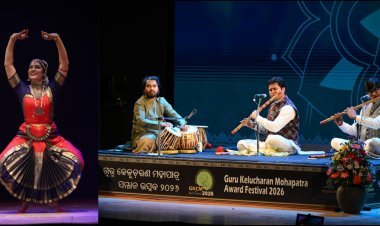
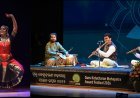
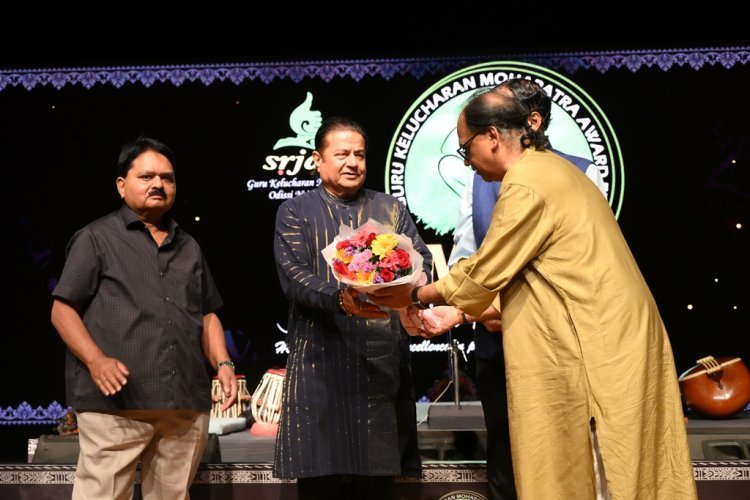
Inaugurating the 32nd Guru Kelucharan Mohapatra Award Festival at Ravindra Mandap, veteran singer and composer Anup Jalota called Guru Kelucharan Mohapatra a divine presence. Guruji’s very being, he said, could turn an ordinary house into a temple. Speaking of that rare genius, Jalota added that Kelucharan Mohapatra seemed sent from heaven to restore life to the veins of India’s temple dancers. This year’s festival, fittingly, is also part of the great Guruji’s birth-centenary celebrations.
The five-day gathering opened with a grand recital by Vidushi Shubha Mudgal.
Shubha Mudgal’s Magic
This was not the Shubha Mudgal I heard a decade ago. That high-pitched, highly charged voice—restless, athletic, almost impatient to scale the upper registers—has been transmuted into something quieter and far more inward: a pacific voice of nuanced grace.
On the inaugural evening she began in Raag Bageshri. What a quiet revelation it was to meet this later Shubha Mudgal. Where once the raag might have been announced with force and brilliance, she now approached its soul with restraint, letting the night-raga’s longing speak in half-tones rather than proclamations.
Bageshri is, at heart, a raga of waiting—of the beloved who has not yet arrived, of tenderness held just short of fulfilment. And yet Shubhaji’s Bageshri was soaked in vatsalya: the maternal tenderness of little Krishna. The vilambit composition in Rupak, circling the birth of Lal, did not merely describe Janmashtami; it seemed to cradle it.
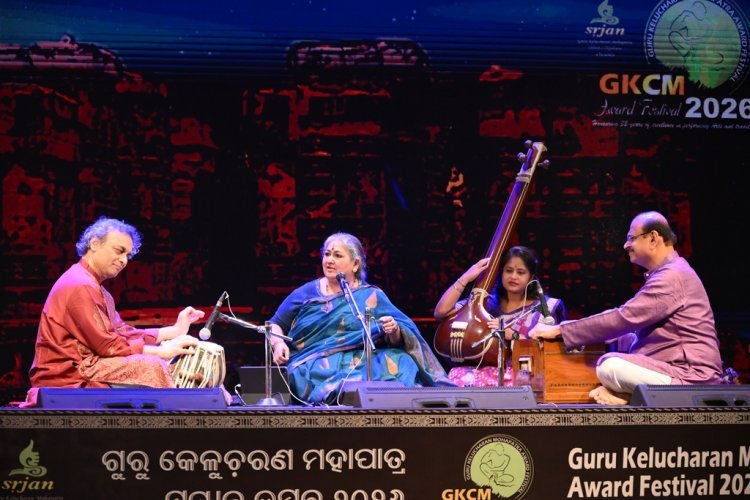
The voice no longer climbed; it settled. Phrases unfurled slowly, each note placed as if it were a thought rather than a display.The old energy had not vanished; it had been distilled. What remained was poise, a mature willingness to leave space around the swara, and a grace that made the raga feel newly intimate rather than merely familiar. Even the madhyalaya bandish of her guru Pt. Ramashreya Jha “Ramrang”—Khelan mangat chaand Kanhayi—kept that same hush of affection. Playfulness arrived without noise. Devotion arrived without display.
It was beautiful to watch this transformation take shape in real time: not a loss of power, but a conversion of power into depth.
The Shubha Mudgal of a decade ago dazzled. This one held the hall still.